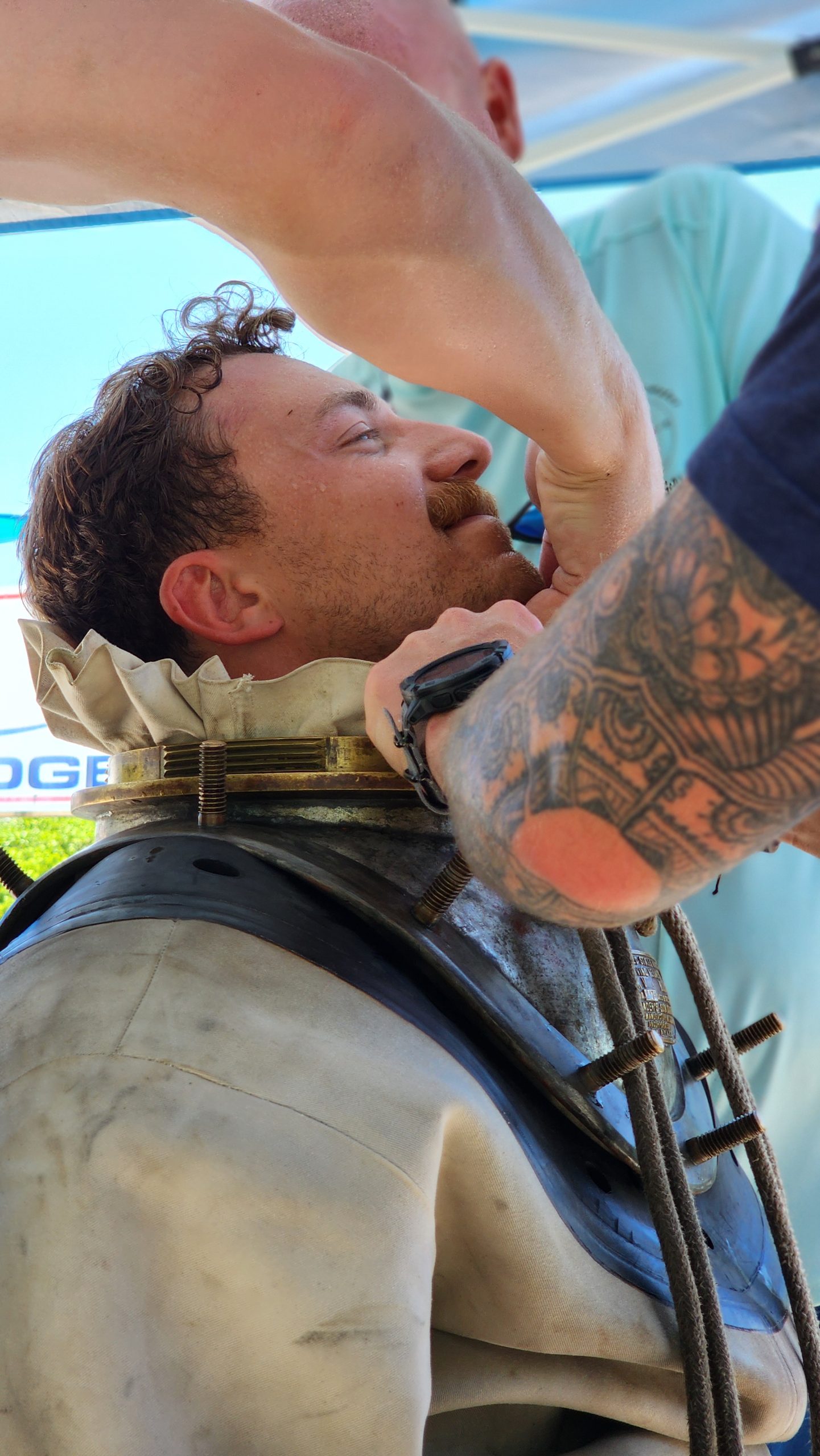
The Gear
The Mark V Diving Helmet

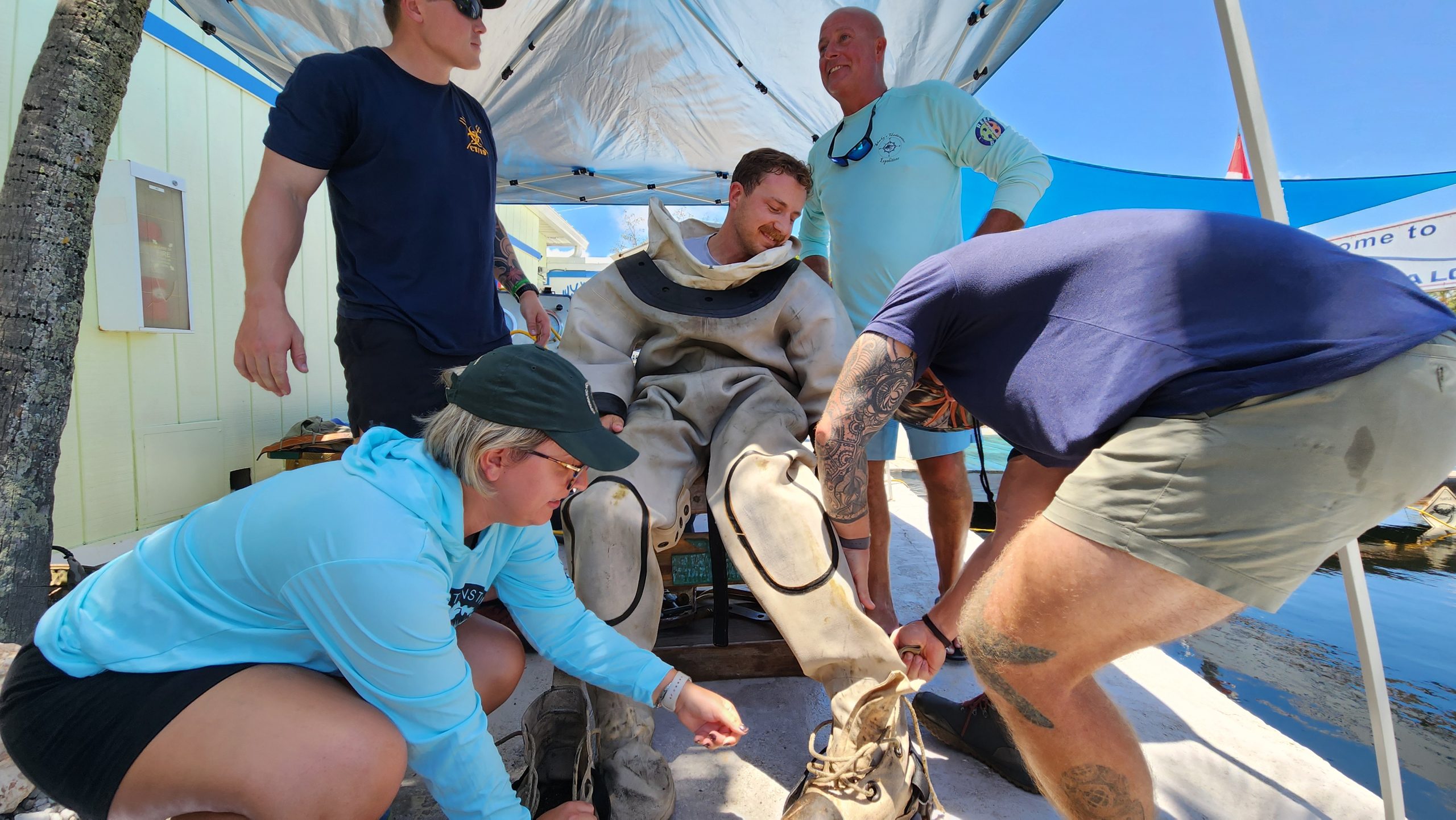
Mark V diving helmet and why they are coveted around the world:
- Introduction Date: The Mark V diving helmet was first introduced in 1916 by the U.S. Navy.
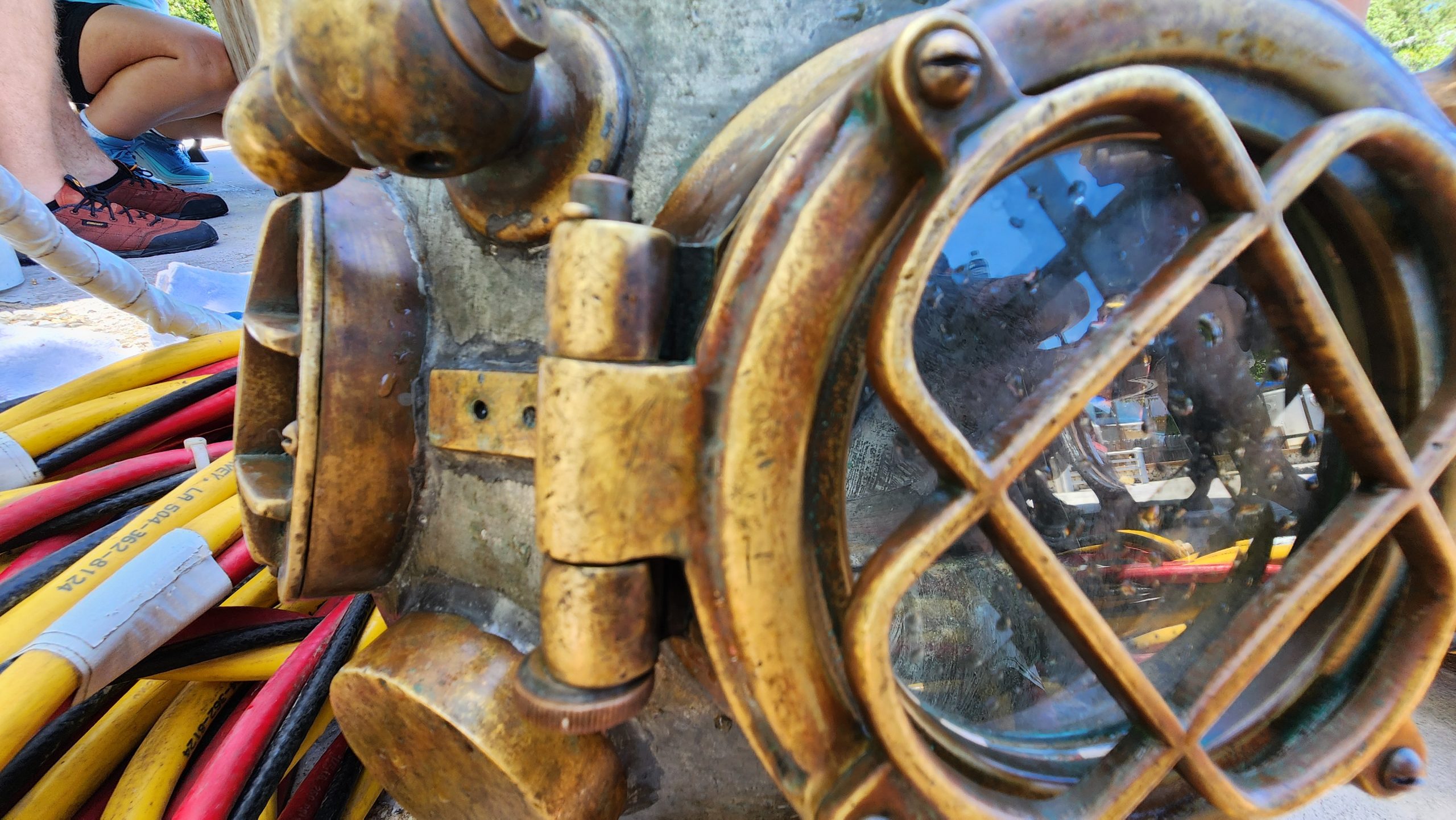
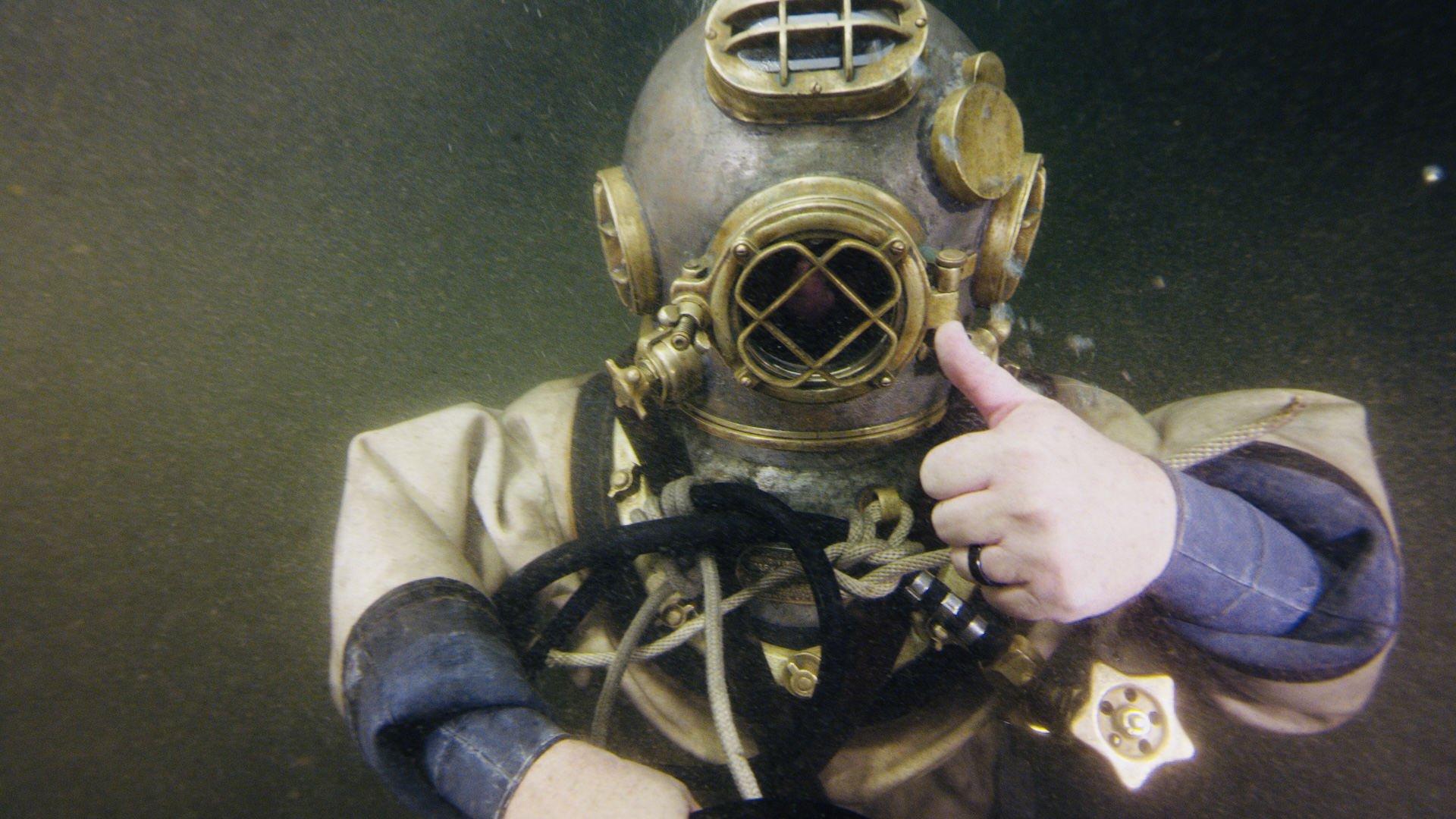
- Design: The helmet is made of copper and brass, featuring four viewing ports, a spitcock valve, and a communications system.
- Weight: The complete Mark V helmet and dress weighed around 55 pounds for the helmet and 84 pounds for the entire suit, making it quite heavy for divers to wear.
- Standard Use: It was the standard diving helmet used by the U.S. Navy for over 60 years, from 1916 to 1984.
- Depth Rating: The Mark V was designed to operate safely up to depths of 300 feet (approximately 91 meters).
- Air Supply: Air was supplied to the helmet through a surface-supplied umbilical, which included a hose for air, a communications line, and sometimes a lifeline.
- Safety Features: The helmet has a non-return valve that prevents water from flooding the suit if the air supply is interrupted.
- Use in Salvage Operations: The Mark V was extensively used in salvage operations, underwater construction, and repair work, including notable projects such as the recovery of the USS Squalus.
- Training: Divers were extensively trained to use the Mark V, learning skills such as hand signals, emergency procedures, and how to manage the air supply manually.
- Collectible Status: Today, original Mark V helmets are highly collectible and can fetch high prices among diving enthusiasts and collectors.
The maximum safe operational depth for the Mark V diving helmet is around 300 feet, though advancements in diving technology have since allowed for deeper dives with modern equipment.
Mark V helmet diving is a classic deep-sea diving helmet that has been used for commercial diving and military operations. It has been a standard in the industry since it was introduced in the early 20th century and is known for its durability and safety features. Some of the key safety features of the Mark V helmet include:
Heavy Duty Construction:
The Mark V helmet is made of brass or bronze, which provides a solid, durable structure that can withstand the harsh conditions of deep-sea environments, including high pressure and potential impacts.
Weight and Balance:
The helmet is heavy, usually weighing between 15 to 20 pounds. This weight helps to keep the diver stable and prevents them from floating upwards when submerged, making it easier to maintain control during dives.
Communication System:
The Mark V diving helmet is equipped with a communication system (through a diver’s umbilical line) that allows the diver to maintain continuous contact with surface personnel. This is essential for both safety and operational coordination.
Ventilation:
The helmet has a constant flow of air from the surface (via the umbilical hose) to ensure that the diver can breathe comfortably. The helmet is designed with an exhaust valve to allow the exhaled air to escape without interfering with the incoming air supply.
Diver’s Umbilical Line:
The umbilical line is a vital safety feature. It provides air, communication, and a lifeline to the surface. The umbilical line connects the diver to a surface supply and allows for quick rescue in the event of an emergency.
Safety Relief Valve:
The helmet has a safety relief valve that releases excess air pressure. This feature is essential for preventing over-pressurization within the helmet when diving at greater depths.
Clear Vision Ports:
The Mark V helmet features large, curved glass faceplates, offering the diver clear visibility underwater. This is crucial for performing tasks and monitoring surroundings in low visibility underwater conditions.
Built-in Exhaust Valve and Helmet Drain:
The Mark V helmet is designed to allow water and unwanted materials to drain out through built-in channels. This reduces the chance of the helmet filling with water, which could be dangerous during deep-sea operations.
Heavy Duty Neck Dam:
The neck dam provides a seal around the diver’s neck to prevent water from entering the helmet. This seal is an essential feature in maintaining the diver’s safety by keeping them dry and preventing flooding inside the helmet.
Thermal Protection:
In colder waters, the helmet provides some thermal protection, though divers often wear additional insulating suits or liners to help combat hypothermia during extended dives.
The Mark V helmet has long been a reliable piece of diving equipment, particularly in commercial and military diving. Its design ensures that the diver has a stable, controlled environment while under the water, making it safe for deep-sea exploration and underwater tasks.
A Few Good Adventures